
What is Hypermobility?
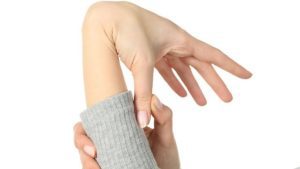
This is when a child’s joints move beyond the normal range. It’s sometimes called being “double-jointed.” While it may seem like a fun party trick, it often reflects that the connective tissues (ligaments, tendons) supporting the joints are looser than usual.
Why does it happen?
- Genetics (often runs in families)
- Differences in collagen or connective tissue
- Sometimes associated with conditions like Ehlers-Danlos Syndrome (EDS) or other connective tissue disorders
- Can occur on its own without an underlying disorder
Signs & Side Effects:
- Movement & coordination: Frequent tripping, clumsiness, poor posture, or difficulty keeping up in sports/PE.
- Pain & fatigue: Joint or muscle aches (especially after activity), tiredness, or difficulty standing for long periods.
- Weakness & balance: Low muscle tone, flat feet, and core weakness.
- Other symptoms: Some kids may also experience headaches, digestive upset, or dizziness due to nervous system involvement.
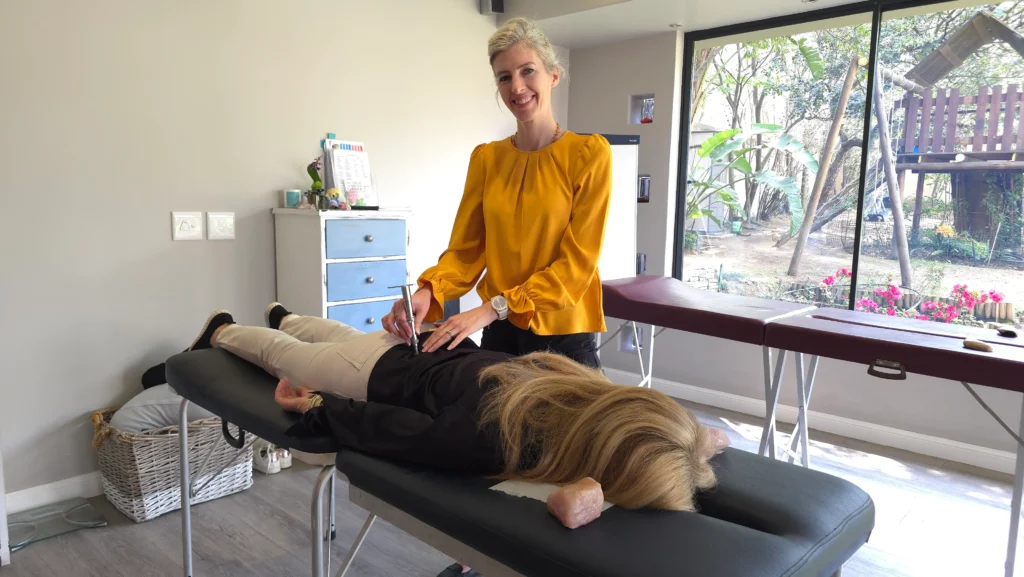
Neuro chiropractic care focuses on the spine, posture, and nervous system, which play a huge role in how the body adapts to hypermobility.
Care can help by:
- Improving spinal alignment – reduces extra strain caused by unstable joints
- Enhancing proprioception – helps kids develop better body awareness and coordination
- Supporting muscle activation – encourages stronger, more stable muscles to protect joints
- Reducing nervous system stress – which can ease pain, improve focus, and help with fatigue
- Boosting confidence in movement – so kids feel more stable and in control
With early intervention, proper care, education, and strong family support, children with hypermobility can live well, stay active, and reach their full potential.