
What is Autism?
Autism Spectrum Disorder (ASD) is a neurodevelopmental condition that affects how individuals communicate, behave, and interact with others. The signs and symptoms of ASD can vary widely among individuals. Some may experience only mild challenges, while others may face more significant difficulties in daily life.
Signs of Autism Include:
- Little eye contact.
- Disturbed reactions to lights.
- Repeating words or phrases (echolalia).
- Repetitive behavior, such as spinning.
- Non-verbal communication or delayed language development.
- Intense reactions to minor changes in routine or surroundings.
The Importance of Early Intervention
The early years of life are a critical period for brain development, as the brain is growing and forming vital neural connections at a rapid rate. Early care and intervention can support the proper integration of primitive reflexes, which is essential for optimal development of the cerebellum (responsible for motor control and coordination) and the cortex (which governs higher-level thinking, learning, and social interactions).
How Chiropractic Care May Help
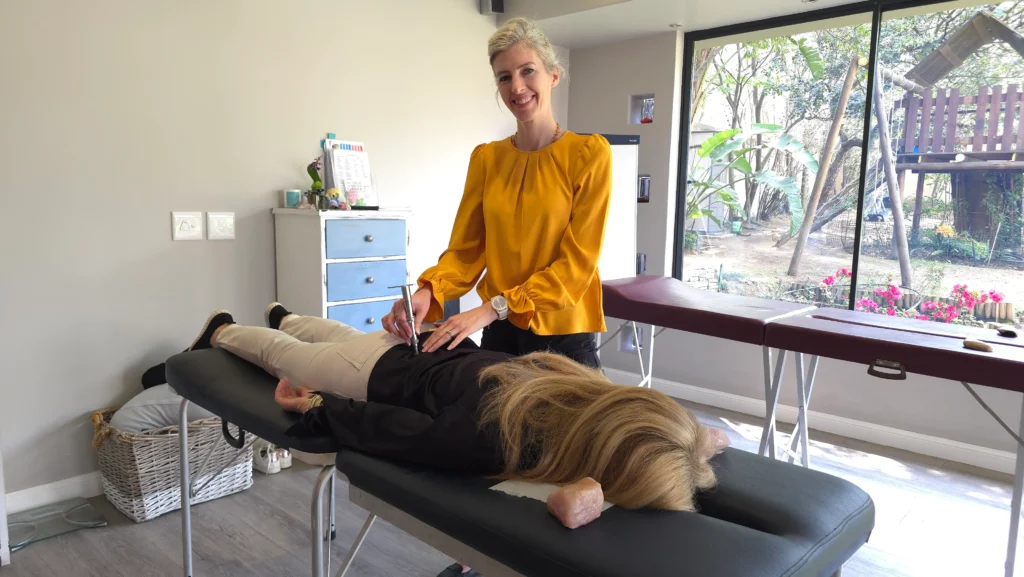
Chiropractic care focuses on enhancing nervous system performance, which plays a key role in a child’s cognitive, emotional, and behavioral development. By improving communication between the brain and body, chiropractic adjustments can support:
- Cognitive function, helping with speech, language, and learning.
- Emotional regulation, potentially reducing anxiety and improving social interactions.
- Motor control, which may help with jerky, rhythmic movements and repetitive behaviors.
- Adaptability to surroundings, as nervous system regulation helps children become more aware of their environment and adjust their responses accordingly.
By addressing spinal misalignments and dural tension that may interfere with nervous system function, chiropractic care can help improve the brain-body connection, allowing for greater control over behavioural outbursts, sensory sensitivities, and motor function. As the nervous system regulates, children may experience better balance, coordination, and emotional stability.
While chiropractic care does not treat autism itself, it may play a supportive role in helping children develop stronger neural pathways for improved communication, movement, and self-regulation. The earlier these interventions begin, the greater the opportunity to support optimal brain development and overall well-being.