Have you ever found yourself or your child struggling to keep up with conversations in a noisy room, mishearing everyday words, or feeling completely drained after a day of listening?
It’s a common misconception that difficulty following spoken directions is a hearing issue. In reality, Auditory Processing Disorder (APD) isn’t about how well your ears hear sound; it’s about how efficiently your brain processes, organizes, and interprets what it hears.
When the brain struggles to filter background noise or sequence sounds, even simple environments like a classroom, office, or family dinner can feel overwhelming

When the nervous system is stuck in a chronic state of tension or stress (fight-or-flight mode), the brain prioritizes survival over complex sensory filtering.
A dysregulated nervous system acts like a speaker with static. It struggles to filter out unnecessary auditory input (like a buzzing fridge or background chatter).
Trying to process language through a high-stress neural filter takes immense cognitive energy, leading to mental fatigue and frustration.
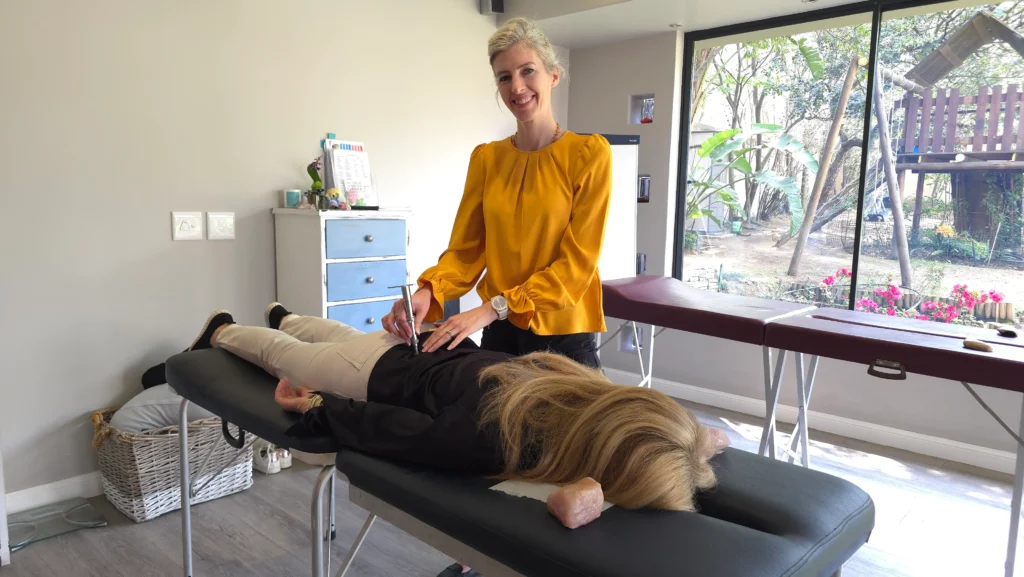
Through neurologically based chiropractic care, we focus on reducing structural and neurological stress along the spine and central nervous system. By supporting neural communication, we help shift the body out of stress mode and into a regulated, adaptable state. When the nervous system is calm and clear, the brain can do a better job of organizing sensory information like sound.

APD can also affect your child through primitive reflexes.
Primitive reflexes are automatic, involuntary movements present in infants that help with early development and survival.
Ideally, as a child grows, these reflexes integrate into higher-level brain function. However, if primitive reflexes remain retained, they can continuously trigger stress responses and interfere with how the brain processes auditory and visual information.
Specifically, retained reflexes can impact listening and focus:
- Moro Reflex (The Stress/Startle Reflex): If retained, the body stays on high alert. Hypersensitivity to sound makes it nearly impossible to tune out background noise in busy settings.
- Asymmetrical Tonic Neck Reflex (ATNR): Crucial for bilateral coordination and brain-hemisphere communication. When unintegrated, auditory tracking and listening comprehension can feel disjointed.
- Fear Paralysis Reflex (FPR): Can leave the nervous system feeling easily overwhelmed by sensory input, causing a person to shut down or disengage when sound environments become too demanding.
By evaluating and integrating these underlying reflexes alongside gentle, targeted chiropractic care, we help lay a solid foundation for sensory integration and brain function.

Auditory Processing Disorder can co-occur alongside other conditions such as ADHD, ASD, dyslexia and many other conditions
Supporting You Along the Way
Whether for a child struggling in school or an adult feeling overwhelmed in crowds, regulating the nervous system is key to making daily listening feel manageable.